Large breed
Saint Bernard Puppies
Bred for rescue, this huge working dog is a hero dog both in Switzerland and Italy. The Saint Bernard earned its fame due to its large size and through tales of its rescues. Discover more about our Saint Bernard puppies for sale below!
- Exercise 30 min a day
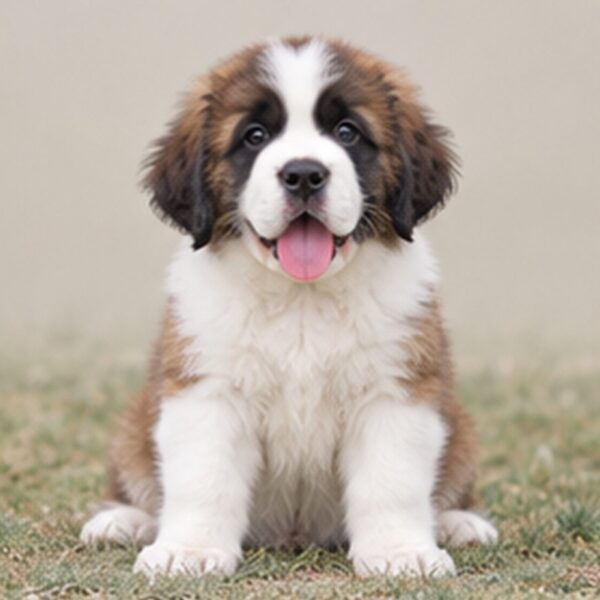 1 available now
Available Saint Bernard Puppies
About the Saint Bernard
The Saint Bernard is a beloved giant that hails from the majestic Alps, where they were originally bred to rescue travelers lost in snowstorms. These gentle giants embody a magnificent blend of size and sweetness, making them an ideal addition to families looking for a loyal companion. With a temperament that is often described as friendly and affectionate, Saint Bernards are particularly good with young children, allowing for nurturing relationships to blossom. Their patience and calm demeanor make them well-suited for bustling household dynamics, even if they can be a bit reserved around unfamiliar guests.
Read more about the Saint Bernard Show less
Despite their sizable appearance, Saint Bernards have a relatively low energy level, enjoying leisurely strolls and moments of play rather than demanding high-octane activities. They thrive in environments where the family interacts regularly, though their apartment-friendliness is rather limited due to their sheer size. Weekly grooming will keep their coats looking splendid, especially since they do shed a fair amount. While they don’t require excessive maintenance, owners should be prepared to manage some shedding in exchange for the warmth and affection these dogs provide.
Trainability comes easily to the Saint Bernard, especially when approached with kindness and patience. Though they are intelligent and capable of learning, they may require a consistent and gentle method to ensure they respond well. This breed tends to bark infrequently, making them suitable for quieter environments, though some alertness is always part of their protective nature. If you’re seeking a loving, gentle giant that will provide years of companionship and warmth, consider welcoming a Saint Bernard into your family from Petland Janesville, Wisconsin.
Saint Bernard breed profile
Every score below is set by our team for this breed. Higher is simply more of that trait, not better or worse.
Temperament
-
Affection Devoted
-
Playfulness Calm
-
With strangers Friendly
-
Territorial Somewhat
-
Prey drive Low
Family & other pets
-
Young children Excellent
-
Older children Excellent
-
Other dogs Sociable
-
Cats With introductions
Energy & exercise
-
Energy Relaxed
-
Mental stimulation Light
Training
-
Trainability Willing learner
-
Intelligence Bright
-
Stubbornness A stubborn streak
Care & upkeep
-
Shedding Heavy
-
Drooling Keep a towel handy
-
Barking Occasional
Home life
-
Apartment living Needs real space
-
Time alone A few hours
-
Cold weather Thrives in it
-
Warm weather Needs shade
A good match for
-
First-time owners Good first dog
-
Senior owners Good
-
Running partner Short distances
-
Hiking Short walks
-
Therapy work Good
-
Guarding Protective
Living with a Saint Bernard
History
The Saint Bernard breed originates from Switzerland. Native dogs of the Alps were crossed with Mastiffs to create the Saint Bernard. Then they were called the Alpine Cattle Dog. The Saint Bernard was named after Arch deacon Bernard who founded his hospice at a pass which was also named after him.
The hospice made it easier for people to cross the pass and the Saint Bernard dogs were used by monks to protect the grounds. The location of the monastery built the dogs into a breed that can survive in the cold. When the Saint Bernard became popular in other countries, their type began to change.
Crossbreeding made them taller and thinner. While some of these dogs are still at the hospice in Switzerland, they are no longer used to aid monks at the pass. They are now a reminder of the hospice history.
Temperament
Saint Bernard’s heart is as huge as it is. Despite its big size, it is a sweet, patient and gentle dog breed. They love adults and children alike. The only threat they pose to little kids is knocking them over or involuntarily stepping on them. The Saint Bernard is sweet and affectionate. Socialization from an early age is important to expose them to new people, animals, and new environments.
Environment
Saint Bernard is best kept indoors. They are prone to heat strokes so keeping them outside permanently would be bad for them. They are also companion animals and they thrive when living close to people. Though they are big dogs, when trained they can live inside a house without destroying any properties. It is important that they are taken outside at least once a day to exercise.
Exercise
Though Saint Bernard doesn’t need too much exercise, it is necessary that they get enough to prevent obesity. They are big dogs and carrying extra weight can affect their joints, leading to arthritis. At least 30 minutes of exercise daily is enough for the breed. Note that this breed is prone to heatstroke so exercises are best done at night. If you want to take it on a walk during the day, ensure it’s a short walk and take some water along. Also, pay attention to it for any signs of exhaustion.
Grooming
Regular grooming is important to keep a Saint Bernard healthy. Brushing is required two to three times a week. If your dog grows mats on its thighs or ears, apply a detangler solution to straighten out the mat. Baths should be carried out monthly and outdoors because of their size. During the winter, it is best to bathe them indoors. Their teeth should be brushed at least twice a week and their nails should be trimmed monthly. It is also important that you clean their ears weekly.
Our Saint Bernard puppies for sale come from either USDA licensed commercial breeders or hobby breeders with no more than 5 breeding mothers. USDA licensed commercial breeders account for less than 20% of all breeders in the country.
The unregulated breeders who are selling outside of the USDA regulations and without a license are what we consider to be “Puppy Mills.” We are committed to offering Saint Bernard puppies who will grow up to become important members of your family. We only purchase puppies from the very best sources, and we stand behind every puppy we sell.
Caring for a Saint Bernard
- Grooming
- Weekly brushing
- Grooming cost
- Average
- Monthly food
- Average
- Outdoor space
- A yard is recommended
- Allergy friendly
- Not considered hypoallergenic
Saint Bernard Video
Frequently Asked Questions
Are Saint Bernards easy to train?
Yes, they are easy to train. Saint Bernards are gentle and obedient dogs that are always eager to please their owners.
Are Saint Bernards good with children?
The Saint Bernard loves everyone, both children and adults. They are especially affectionate towards the children they live with.
What is Saint Bernards life expectancy?
The average lifespan of a Saint Bernard is 8 to 10 years – although some might live longer.
Do Saint Bernards have common health problems?
Dogs of this breed may sometimes be susceptible to hip dysplasia, elbow dysplasia, epilepsy, cataracts, allergies, and GDV. Generally, they are a sturdy breed with little health issues.
What is the average size of a Saint Bernard?
The average Saint Bernard is 30 inches tall and weighs 180 pounds.
Are Saint Bernards aggressive?
Saint Bernards are very gentle and calm dogs. Early socialization can prevent aggressiveness in the future.
Are Saint Bernards loud dogs?
No. Dogs of this breed hardly bark without a cause.
How intelligent are Saint Bernards?
Saint Bernards are not the most intelligent dogs. They often take longer than most dogs to mature mentally.
Are Saint Bernards tidy dogs?
Saint Bernards drool and shed heavily. They also tend to knock things over due to their large size.
Can Saint Bernards cohabit with other pets?
Yes, Saint Bernards are very open to living with other pets, especially if they’ve lived with pets from puppyhood. It is important though to keep an eye on them when kept with smaller pets to ensure they don’t accidentally knock them over or step on them.
If you want a versatile, fun and affectionate dog, the Saint Bernard is the best dog breed for you!